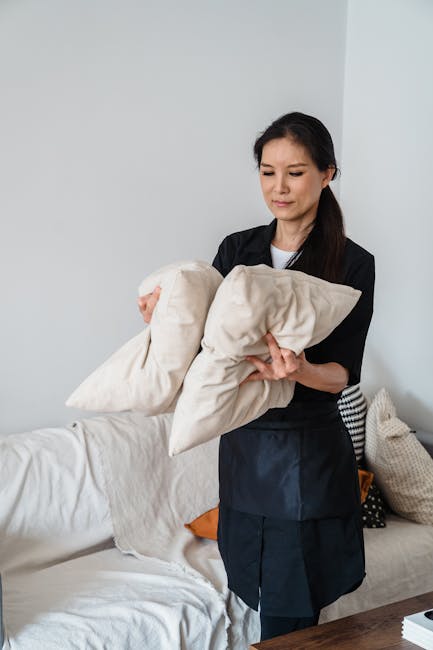
Westcombe Park upholstery cleaning for Charlton households: a practical guide to fresher furniture, healthier rooms, and better results
If your sofa looks a bit tired, your armchair has picked up a mystery mark, or the dining chairs now carry the ghost of every Sunday lunch, you are not alone. Westcombe Park upholstery cleaning for Charlton households is the kind of service people usually only think about when the fabric has already started to look dull, smell musty, or feel slightly sticky. Truth be told, upholstery takes a quiet beating. We sit on it, spill on it, lean on it with wet coats, and forget how much dust and everyday grime it absorbs.
This guide explains what upholstery cleaning actually involves, why it matters for Charlton homes, how the process works, and what to look for before booking. You will also find a comparison of methods, a practical checklist, and straightforward answers to the questions people ask most. No fluff. Just the useful stuff, the sort of detail that helps you make a sensible decision.
Why Westcombe Park upholstery cleaning for Charlton households Matters
Upholstery is one of those parts of the home that looks fine right up until it really, really does not. Then one afternoon the room catches your eye and the arms of the sofa look grey where they used to be pale, or the cushion seams seem to have collected crumbs, pet hair, and that faint lived-in smell you stop noticing after a while. That is exactly why Westcombe Park upholstery cleaning for Charlton households matters: it brings your furniture back to a cleaner, more comfortable baseline before the build-up becomes obvious.
In Charlton homes, upholstery often has to cope with family life, compact rooms, seasonal dampness, pets, and frequent use. Fabric fibres trap dust, skin particles, pollen, and airborne dirt. Spills sink in quickly. On woven fabrics, oily marks can spread wider than expected. On delicate materials, the wrong DIY cleaner can leave a water ring or a faded patch that is worse than the original stain. So a proper clean is not only about appearance; it is also about keeping the furniture usable for longer.
There is a practical side too. A clean sofa or chair feels better to sit on, looks more inviting, and makes the whole room feel less heavy. If you have ever opened the curtains on a bright morning and spotted every mark you thought had disappeared, you will know the feeling. One quick glance and, well, the place suddenly needs attention.
For households comparing options, it helps to think of upholstery cleaning as part of routine home care rather than an emergency rescue. Much like carpet care or curtain maintenance, it works best when it is planned, not panic-booked. You can also explore related services such as sofa cleaning, rug cleaning, and curtain cleaning if several soft furnishings need attention at once.
Expert summary: Upholstery cleaning is most valuable when it removes everyday build-up early, protects the fabric before damage settles in, and leaves the room looking cared for without making the furniture feel over-wet or over-treated.
How Westcombe Park upholstery cleaning for Charlton households Works
Most professional upholstery cleaning starts with identification, not spraying. A good cleaner looks at the fabric type, the construction of the item, the age of the stains, and any special care labels. That matters because a hardwearing synthetic sofa and a vintage wool chair need different treatment. The cleaner may also test a small area first, especially where colour transfer or fibre distortion is a risk. Sensible. Very sensible.
The process usually includes dry soil removal, spot pre-treatment, agitation where needed, and then a deeper clean using the most suitable method. Depending on the fabric, that could mean hot water extraction, low-moisture cleaning, or controlled hand cleaning. The main aim is to lift contamination from the fibres without soaking the padding underneath. Too much moisture can lead to slow drying, odour, or in some cases a shadow line where the fabric dries unevenly.
For households that also want other soft furnishings cleaned, it is common to coordinate upholstery work with carpet cleaning or steam carpet cleaning. That can make the room feel more consistent, especially in living rooms and through lounges where everything ages together. A clean sofa next to a dusty carpet looks a bit odd, to be fair.
After cleaning, a technician should advise on drying time and aftercare. Good airflow helps. Open windows if weather allows, keep pets off the fabric until it is dry, and avoid sitting on a damp cushion just because it feels tempting for five minutes. We have all been there. It usually ends in a wrinkle, a footprint, or a new patch of transferred dirt.
Key Benefits and Practical Advantages
There are several benefits to proper upholstery cleaning, and the best ones are not always the obvious ones.
- Better appearance: Fabrics regain colour depth and look less flattened by everyday use.
- Improved comfort: Freshly cleaned upholstery feels cleaner against the skin and less greasy to the touch.
- Odour reduction: Regular cleaning helps remove stale smells trapped in fibres from pets, spills, cooking, and general living.
- Longer fabric life: Removing grit and sticky residue reduces abrasion and wear.
- More hygienic living spaces: While not a medical treatment, cleaning can help reduce the build-up of dust and dirt that settles into soft furnishings.
- Better first impression: Useful if you have guests, family gatherings, or you simply want your living room to feel put together again.
A lesser-known advantage is confidence. People often keep using a favourite chair long after it starts looking uninviting, then stop enjoying the room altogether. A proper clean changes that. The furniture stays familiar, but the room feels lighter. That shift is subtle until you notice yourself choosing the sofa again instead of the kitchen chair because it finally feels pleasant to sit there.
If stains are a worry, combining upholstery care with stain removal can be helpful, especially where drink marks, food spills, or water-soluble spots have set in. And if pets are part of family life, pet stain and odour removal may be worth considering alongside the main clean.
Who This Is For and When It Makes Sense
This kind of cleaning suits a lot more households than people realise. It is not only for large houses or expensive furniture. In fact, many Charlton homes benefit from upholstery cleaning because furniture often works harder in compact spaces.
You may want it if you:
- have children and everyday spills are part of normal life
- live with pets that shed hair or bring in outdoor dirt
- own a sofa, chair, or footstool that has lost its fresh look
- have recently moved into a property and want a proper reset
- notice lingering smells after cooking, smoking, or damp weather
- are preparing a room for guests, photos, or a rental handover
- want to maintain a good-quality sofa rather than replace it early
It also makes sense after a specific incident: a tipped cup of tea, an ink mark, muddy paws after a wet walk, or a cushion that has taken on a smell from a closed-up room. Sometimes the trigger is not dramatic. Sometimes it is just a creeping sense that the fabric is no longer right. That is enough.
If you are a landlord or manage a property, upholstery cleaning can also support a better presentation between tenancies. For larger premises or shared-use spaces, commercial carpet cleaning may be relevant too, though home and commercial needs are not identical and should be treated separately.
Step-by-Step Guidance
Here is a practical way to think about the process, whether you are booking a service or trying to understand what should happen on the day.
- Identify the fabric. Check labels if available. Leather, velvet, microfibre, cotton blends, and wool-blend fabrics all behave differently.
- Assess the problems. Note any stains, smells, pet hair, sun fading, or general dullness. Be honest about what happened. A cleaner has usually seen worse.
- Choose the method. Match the cleaning technique to the fabric and soil level. Not every piece needs the same treatment.
- Pre-test in a hidden area. This reduces the risk of colour change or fibre damage.
- Pre-treat spots carefully. Stains are handled individually rather than scrubbed in one go.
- Deep clean with controlled moisture. The aim is to lift dirt without oversaturating the upholstery.
- Extract and dry properly. Faster, more complete drying helps prevent odours and keeps the furniture usable sooner.
- Review aftercare. Ask what to avoid for the next 24 hours and how to maintain the result.
A simple way to remember the process: identify, test, treat, clean, dry. That is the backbone. Fancy language is not needed. Just care and patience.
Expert Tips for Better Results
Small decisions make a big difference. A lot of people focus on the visible stain and overlook what is happening underneath.
1. Vacuum before anything else. Dry soil is easier to remove before moisture is added. If grit stays in the fabric, it can turn into a muddy paste during cleaning. Not ideal.
2. Act quickly on spills, but gently. Blot liquid with clean paper or a white cloth. Do not rub. Rubbing can drive the spill deeper into the weave and spread the mark.
3. Keep an eye on sun exposure. A fabric that sits in bright windows may fade unevenly, especially in living rooms that get a lot of late afternoon light. You cannot reverse fading completely, but you can avoid making it worse with harsh treatment.
4. Ask about fibre-safe methods. If the upholstery is delicate, low-moisture care may be safer than a heavy wet clean.
5. Drying matters more than most people think. A clean sofa that stays damp too long can smell musty by the next day. Open windows, use airflow, and leave cushions spaced out if possible.
6. Pair services when practical. If a room needs several items refreshed, cleaning the sofa, rugs, and curtains together can produce a better overall result. It is a bit like washing only one side of the car and calling it done. You notice the mismatch immediately.
One more thing: if you are comparing providers, ask how they handle delicate stitching, trims, buttons, and mixed materials. That is often where a rushed job shows up. Not in the big bold stain. In the small detail at the edge of a cushion.
Common Mistakes to Avoid
Most upholstery problems during cleaning come from good intentions and impatient hands. It happens.
- Using the wrong cleaner: Household sprays can bleach, mark, or leave residue.
- Over-wetting the fabric: Too much liquid can seep into the backing and padding.
- Scrubbing stubborn stains: This usually spreads the stain and damages the fibres.
- Ignoring the care label: The manufacturer's guidance exists for a reason, even if it is tucked under the cushion and hard to find.
- Forgetting to dry properly: A fresh smell can turn into a damp smell if the upholstery is left closed up.
- Trying to remove old stains too aggressively: Some marks need careful treatment, not brute force.
A common one is expecting every stain to vanish completely. In reality, older marks, dye transfer, and heat-set stains may improve a great deal but not disappear entirely. Honest expectations help. Better a realistic clean than a disappointed one.
Tools, Resources and Recommendations
If you are preparing for a visit or just trying to maintain upholstery between professional cleans, a few sensible tools help a lot. Nothing exotic, nothing complicated.
- a vacuum cleaner with an upholstery attachment
- a soft brush for lifting dust from seams and tufting
- clean white cloths or paper towels for blotting spills
- a small fan or good room ventilation for drying support
- a fabric-safe spot treatment approved for your upholstery type
- a simple note of any problem areas, especially on busy family furniture
For households that want a broader refresh, services such as mattress cleaning and rug cleaning can be paired with upholstery work. That is often more efficient than tackling each soft furnishing in isolation, and the whole room usually benefits.
It can also help to review business policies before booking. If you want to understand how a provider handles payments, security, or service expectations, pages like payment and security, terms and conditions, and insurance and safety are worth a look. They do not replace a conversation, but they do give you a sense of how the company works.
Law, Compliance, Standards, or Best Practice
For home upholstery cleaning, the main concern is not complex regulation so much as good practice, safe products, and clear communication. In the UK, customers reasonably expect service providers to work carefully, use equipment responsibly, and respect personal property. That means being upfront about fabric risks, not making unrealistic promises, and taking appropriate precautions around water, electrics, and slip hazards.
Best practice usually includes:
- checking fabric suitability before treatment
- using the least aggressive method likely to work
- protecting floors and nearby items
- explaining drying expectations clearly
- handling complaints or concerns in a fair, written process
If you are comparing providers, policy pages such as health and safety policy, complaints procedure, and recycling and sustainability can be reassuring because they show the company has thought beyond the immediate clean. That does not guarantee a perfect result, of course, but it is a decent sign that the service is structured rather than casual.
Another sensible thing to ask about is privacy if you are booking online or sharing contact details. A clear privacy policy should explain how your information is handled. Not glamorous, no, but it matters.
Options, Methods, or Comparison Table
Different upholstery cleaning methods suit different fabrics and levels of soiling. Here is a simple comparison to help you understand the trade-offs.
| Method | Best for | Strengths | Watch-outs |
|---|---|---|---|
| Hot water extraction | Synthetic fabrics, heavily used sofas, general dirt build-up | Deep cleaning, strong soil removal, good for routine restoration | Not ideal for every delicate fabric; drying time matters |
| Low-moisture cleaning | Delicate upholstery, faster turnaround needs | Quicker drying, less saturation, often gentler | May not suit very heavy staining on some fabrics |
| Manual spot treatment | Specific stains or isolated marks | Targets problem areas without overworking the whole item | Not a full clean on its own |
| Fabric brush and vacuum prep | All upholstery as a prep stage | Improves the main clean and removes dry debris | Only a preparation step, not the full answer |
For most households, the right choice depends less on the trendiest method and more on the actual fabric and condition of the item. A method can sound impressive and still be the wrong fit. That is the sort of detail people only learn after a mistake, usually with a slightly annoyed face and a tea in hand.
Case Study or Real-World Example
Here is a realistic household scenario. A Charlton family has a three-seat sofa in the living room, two fabric dining chairs, and a small ottoman that the children use as a climbing station, footrest, and snack table all in one. Over time, the sofa arms darken, one chair picks up a juice mark, and the ottoman develops a faint stale smell from being used as hidden storage. Nothing dramatic. Just life.
They start with vacuuming, then check the care labels. The sofa fabric is synthetic and safe for a controlled deep clean, while the dining chairs need a more cautious approach because the weave is finer. Spot treatment is used on the juice mark first. The ottoman gets careful deodorising and a lighter clean because the smell is the main issue, not visible staining.
The result is not a showroom fantasy. The family does not suddenly own a brand-new suite. But the sofa looks lighter, the room smells cleaner, and the chairs no longer draw the eye for the wrong reason. That is the win. Small, real, noticeable. And it changes how the room feels at 7pm on a wet Tuesday, which is when you actually live in it.
They also book a related clean for the carpet in the same room later in the month, because once one part of the room is fresh, the others start to look a bit honest. That is normal. Happens to everyone.
Practical Checklist
Use this checklist before booking or before a cleaning appointment.
- Identify each upholstered item and its fabric type.
- Check for care labels or manufacturer guidance.
- Note specific stains, odours, or problem areas.
- Vacuum thoroughly, including seams and under cushions.
- Remove loose items, throws, and fragile objects nearby.
- Confirm whether the room can be ventilated during drying.
- Ask what cleaning method is likely to be used.
- Clarify expected drying time before the technician leaves.
- Keep pets and children away from damp fabric until fully dry.
- Save the provider's contact details in case you need to follow up.
Quick takeaway: the best upholstery cleaning results come from matching the method to the fabric, not forcing one approach onto every item in the house.
If you are ready to compare options, reviewing pricing and quotes can help you plan with fewer surprises. And if you want to know more about the company before moving ahead, the about us page is a sensible next stop.
Conclusion
Westcombe Park upholstery cleaning for Charlton households is really about preserving the things you already own and making your home feel cared for again. It is not just a cosmetic tidy-up. Done properly, it restores comfort, removes the dullness that settles into busy family furniture, and helps you get more life out of the pieces you use every day.
The main thing is to treat upholstery with the respect it deserves. Identify the fabric, choose the right method, avoid shortcuts, and let the drying process do its job. A little care goes a long way. Often more than people expect, actually.
Get a free quote today and see how much you can save.
And if you are still weighing up your options, that is fine too. Good home care should feel reassuring, not rushed.
Frequently Asked Questions
What does upholstery cleaning remove?
It usually removes everyday dirt, dust, body oils, many food and drink marks, pet hair, and some odours. The exact result depends on the fabric and how old the stain is. Older marks can improve a lot without disappearing completely.
How often should Charlton households clean upholstery?
There is no fixed rule. For busy family homes, once every 12 to 24 months is a sensible range for heavily used items, with spot care in between. Homes with pets or small children may benefit from more frequent attention.
Is steam cleaning safe for all sofas and chairs?
No. The phrase "steam cleaning" gets used loosely, but not every fabric can handle high moisture or heat. A fabric check comes first. Some upholstery is better suited to low-moisture or hand-cleaning methods.
Can upholstery cleaning remove pet smells?
Often, yes, especially if the smell is from general pet use, dander, or light accidents. Deeper odours may need specific pet stain and odour treatment. The longer an odour has been present, the more careful the approach needs to be.
Will the furniture be wet for long after cleaning?
It depends on the method, airflow, and fabric type. A good cleaner should explain likely drying times clearly. Good ventilation helps, and cushions should not be put straight back into a closed-up room if they are still damp.
Can I clean upholstery myself?
You can handle light maintenance yourself, such as vacuuming and blotting spills. For set-in stains, delicate fabrics, or odours, professional cleaning is usually safer. A well-meant DIY effort can easily make the mark bigger or harder to remove.
What should I do before the cleaner arrives?
Remove loose items, vacuum if you can, clear a bit of space around the furniture, and point out any problem areas. If there is a stain you are worried about, mention what caused it. That detail really helps.
Is upholstery cleaning worth it for older furniture?
Often yes, provided the item is structurally sound and the fabric can be cleaned safely. A fresh clean can improve the room dramatically and delay replacement. If the frame or springs are failing, though, cleaning will not fix that.
Can upholstery cleaning cause colour fading?
It can if the wrong method or product is used, especially on delicate or sun-faded fabrics. That is why testing and fabric identification matter so much. A careful provider should not rush this step.
How do I choose between upholstery, carpet, and rug cleaning?
Start with the item that affects the room most. Sofas and chairs usually need upholstery cleaning, floors need carpet care, and movable textiles like rugs benefit from dedicated rug cleaning. Many households find it useful to combine services for a fuller refresh.
What if my upholstery has a stubborn stain?
Stubborn stains sometimes need pre-treatment, repeated care, or a managed expectation about how much improvement is realistic. Older stains, dye transfer, and heat-set marks are harder to lift. A sensible provider will tell you that straight.
How do I know a provider is trustworthy?
Look for clear information on methods, insurance, safety, complaints handling, and pricing. Trust is built in the details. If a company explains things plainly and does not overpromise, that is usually a good sign.