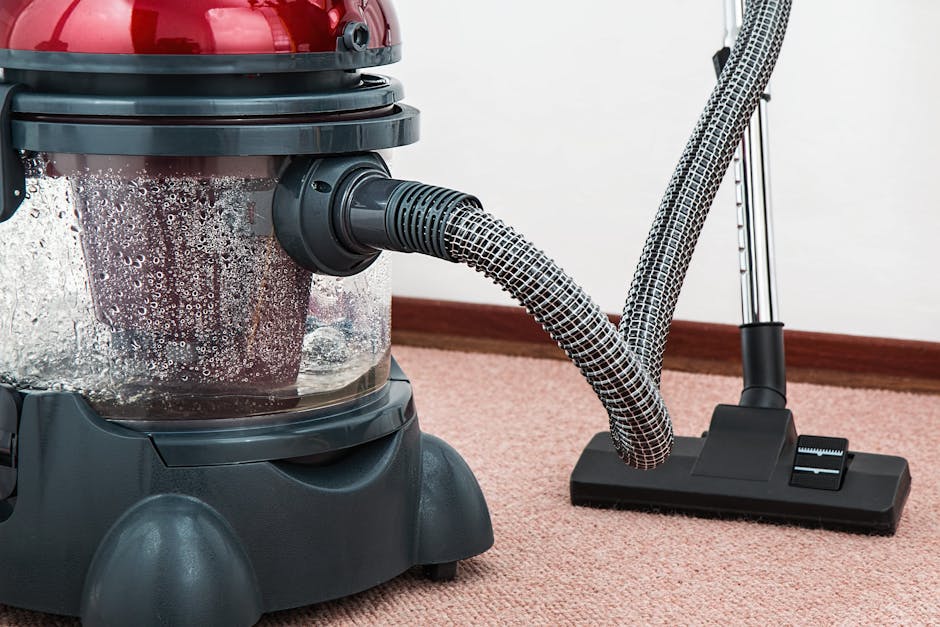
Avoid common carpet cleaning mistakes in Charlton homes

If you live in Charlton, you already know carpets take a fair bit of punishment. Mud from school runs, winter grit, pet accidents, tea spills, the odd DIY mishap after a rainy weekend-real life leaves marks. And while a quick clean feels satisfying in the moment, the wrong approach can set stains deeper, damage fibres, or leave that damp smell nobody wants hanging around for days. This guide on how to avoid common carpet cleaning mistakes in Charlton homes gives you the practical stuff: what goes wrong, why it matters, and what to do instead so your carpets stay cleaner for longer.
Whether you are dealing with a fresh spill in the lounge, an older mark on the stairs, or a whole-house refresh before guests arrive, the same rule applies: rushed cleaning often creates more work later. Let's make it simpler.
- Why it matters in Charlton homes
- How proper carpet cleaning works
- Key benefits and practical advantages
- Who this is for and when it makes sense
- Step-by-step guidance
- Expert tips for better results
- Common mistakes to avoid
- Tools, resources and recommendations
- Law, compliance, standards and best practice
- Options, methods and comparison table
- Case study or real-world example
- Practical checklist
- Conclusion
- Frequently asked questions
Why Avoid common carpet cleaning mistakes in Charlton homes Matters
Carpet cleaning sounds simple until you see the side effects. One over-wet patch can take ages to dry. One strong cleaner can bleach a patch. One bad scrub can flatten the pile in a hallway forever. In Charlton homes, where carpets often deal with busy family life, older properties, and a mix of natural light and daily wear, these mistakes show up fast.
Why does it matter so much? Because carpets are not just decorative. They affect indoor comfort, how a room smells, and even how tidy the whole home feels. A clean carpet makes a room feel warmer and calmer; a damaged one does the opposite. Truth be told, people often notice carpet problems before they notice the skirting boards.
There is also the practical side. Cleaning mistakes can waste time, waste products, and sometimes make professional treatment harder later. If a stain has been pushed deeper into the backing, or if soap residue has been left behind, the carpet may attract dirt faster. That is frustrating, and it is avoidable.
If you are comparing professional help as well as DIY care, it is worth looking at a specialist carpet cleaning service and deciding whether the job is a simple refresh or something more stubborn. For homes with pets, a dedicated pet stain and odour removal approach is often far more effective than ordinary spot cleaning.
Expert summary: The biggest carpet cleaning wins usually come from patience, the right amount of product, and proper drying. The biggest failures come from doing too much, too fast.
How Avoid common carpet cleaning mistakes in Charlton homes Works
The idea behind good carpet cleaning is straightforward: lift soil, treat stains carefully, rinse or extract properly, and dry the carpet efficiently. The problem is that many homeowners skip one of those steps, or do them in the wrong order. That is usually where the trouble starts.
Here is the basic logic:
- Identify the fibre and the stain before touching it with anything aggressive.
- Remove loose dirt first so you do not turn it into mud.
- Use the least harsh method that can still work.
- Blot, do not scrub, especially on fresh spills.
- Rinse or extract properly so no residue is left behind.
- Dry the carpet fully to help prevent odours and re-soiling.
That sounds easy on paper. In reality, a carpet in a Charlton hallway might have years of compacted grit, while a lounge carpet near a sofa may carry body oils and drink marks that behave differently. A hallway usually responds better to controlled hot-water extraction or steam carpet cleaning, while delicate fibres or mixed materials may need a gentler approach.
If you are also cleaning upholstery nearby, avoid cross-contamination. A couch, rug, or curtain can transfer dust and lint back onto freshly cleaned flooring. Pairing carpet care with upholstery cleaning or rug cleaning can make the whole room feel genuinely fresh instead of half-done. And if you are treating furniture at the same time, sofa cleaning can be part of the same sensible routine.
Key Benefits and Practical Advantages
Getting carpet cleaning right is not just about appearance. Done properly, it saves money, reduces stress, and protects the room as a whole.
- Longer carpet life because fibres are not battered by harsh scrubbing or excessive soaking.
- Better-looking results since stains are treated at the right stage and with the right level of care.
- Less lingering smell because carpets dry fully instead of staying damp under the surface.
- Improved comfort underfoot once grit and residue are removed.
- Lower chance of repeat staining because detergent residue is not left behind to attract dirt.
- Better air feel in the room after dust and trapped debris are lifted out.
There is a nice side effect too: when you stop doing the common wrong things, cleaning becomes less stressful. You are not wondering whether the stain is getting worse every time you dab at it. You know what to do. That confidence matters.
Who This Is For and When It Makes Sense
This advice is for anyone in Charlton who wants to protect their carpets and avoid the usual DIY headaches. That includes homeowners, tenants, landlords, families with children, pet owners, and anyone preparing a property for sale or a new tenancy. If you have ever stood there with a cloth in one hand and a bottle in the other thinking, "Well, this must work somehow," you are in the right place.
It makes particular sense if:
- you have a stain you have already tried to clean once or twice;
- the carpet feels sticky after a previous clean;
- you can smell dampness after spot treatment;
- the pile looks rough, flat, or patchy;
- you have wool, mixed-fibre, or older carpet that needs care;
- you want to avoid expensive replacement later on.
Commercial spaces in the area have similar issues, just with more footfall. Offices, reception areas, and shared spaces can benefit from a more structured approach, and that is where commercial carpet cleaning becomes relevant. The same principles apply, just with more pressure on drying time and appearance.
Step-by-Step Guidance
If you want a simple, sensible process, use this one. It is basic on purpose. Basic is often what works.
1. Check the carpet type first
Look at the fibre, the pile, and any care instructions you still have. Wool, synthetic blends, and loop pile carpets all react differently. If you are not sure, test a tiny hidden area. It sounds boring, but it saves grief.
2. Vacuum thoroughly before using liquid
This is one of the most skipped steps. Dry soil acts like sandpaper when you add water. A proper vacuum pass removes grit from the surface and from the base of the pile. On stairs, go slowly. People rush the stairs. Every time.
3. Treat stains from the outside in
Blot the spill rather than rubbing it. Work gently from the edge toward the centre to stop the mark spreading. Use a white cloth so you can see what is being lifted and avoid transferring dye onto the carpet.
4. Use cleaner sparingly
More product is not more cleaning. It usually means more residue. A small amount, applied carefully, is enough for most spots. If you are using a pre-treatment, follow the dwell time and do not let it dry into the carpet.
5. Rinse or extract properly
Leftover detergent attracts dirt. That is why some carpets look dirty again quickly after a home clean. If the carpet feels tacky afterwards, residue may be the reason. Extraction matters just as much as cleaning.
6. Dry the area quickly and evenly
Open windows if weather allows, use airflow, and keep people off the area until it is properly dry. A fan can help. In a typical Charlton terraced house or flat, circulation can be limited, so drying deserves more attention than people give it.
7. Recheck once dry
Stains can reappear as a carpet dries because dirt migrates back to the surface. That does not always mean the first clean failed; sometimes it means the job needs a second, lighter pass. Annoying, yes. Normal, sometimes.
Expert Tips for Better Results
A few small habits make a big difference. These are the details that save carpets, honestly.
- Use white towels, not coloured ones. Coloured fabric can transfer dye when damp.
- Work in daylight if possible. Natural light shows residue, missed patches, and pile direction better than a shaded lamp on a gloomy afternoon.
- Lift solids first. Mud, food, and pet mess should be removed before any liquid goes on.
- Do not over-wet the underlay. Wet backing takes far longer to dry and may lead to smells.
- Keep a separate cloth for clean water and dirty water. Cross-contamination is a sneaky one.
- Take your time on traffic lanes. Hallways and living-room routes usually need more attention than the centre of the room.
If you are dealing with a set-in mark, stain removal works best when the method matches the stain. Tea, grease, pet accidents, and tracked-in mud all behave differently. One product for every problem? Nice idea, but no.
For delicate items around the room, such as curtains or cushions, it can help to bundle the whole refresh together with curtain cleaning or other fabric care. Otherwise, you can finish the carpet and then watch dust drift down from above. A bit unfair, really.
Common Mistakes to Avoid
This is the heart of it. Most carpet damage from cleaning comes from a small set of repeat errors.
Scrubbing a fresh spill
Scrubbing drives the stain deeper and roughs up the fibres. It may look like you are doing something, but the carpet is taking the hit. Blot first, always.
Using too much water
Over-wetting is a classic mistake. It can soak the backing, slow drying, and leave a stale smell. If the room still feels muggy an hour later, too much moisture may have been used.
Using random household cleaners
Bleach, washing-up liquid, and strong bathroom products are not safe bets for carpets. They may strip colour or leave residue. Test products carefully, and do not assume a kitchen cleaner belongs on a hallway carpet.
Ignoring the stain type
Protein-based stains, oily marks, and tannin stains need different handling. Treating them all the same is how people make things worse. Tea is not mud. Mud is not grease. Obvious when you say it, less obvious in the middle of a panic clean.
Cleaning without vacuuming first
Loose grit turns into abrasive paste once wet. That can dull fibres and spread the dirt around.
Not rinsing out detergent
Soap residue can leave a sticky feel and attract more grime later. If a carpet gets dirty again very quickly, residue is one likely reason.
Rushing drying time
Walking on a damp carpet too early can crush the pile and transfer dirt back in. In winter, this is even more of a nuisance because windows may only be open briefly.
Using the wrong tool for the job
A hard brush, an old scrubbing sponge, or a poor-quality machine can do more harm than good. Sometimes the kindest thing you can do is stop and reassess.
Tools, Resources and Recommendations
You do not need a cupboard full of gadgets, but a few sensible tools help a lot.
- A reliable vacuum cleaner with good suction and a clean filter.
- Microfibre cloths or plain white towels for blotting and lifting moisture.
- A soft-bristled brush for gentle agitation on certain fibres.
- A fan or good airflow to help drying.
- A measured carpet cleaner suited to the fibre type.
- Protective gloves if you are using any cleaning solution.
If the job feels beyond a light refresh, professional steam carpet cleaning can be a sensible option, especially for larger rooms, worn traffic lanes, or carpets with repeated staining. It is not magic, but it is a lot more controlled than improvising with whatever happens to be under the sink.
Before booking any service, check practical details such as pricing and quotes, plus the company's information on insurance and safety and health and safety. Those pages tell you a lot about professionalism without you needing to decode a sales pitch.
Law, Compliance, Standards, or Best Practice
Carpet cleaning in a home is not usually a heavily regulated activity, but good practice still matters. If you are hiring someone in Charlton, you should expect reasonable care around safety, product use, and property protection. That includes clear communication about what can and cannot be cleaned safely, how long drying should take, and whether any areas should be avoided until dry.
For landlords, tenants, and managing agents, sensible documentation helps. Condition reports, move-in and move-out photographs, and written cleaning expectations can reduce disputes later. Nothing dramatic. Just less arguing over whether a mark was there before or after. Which is always nice.
Look for businesses that are clear about payment, terms, and data handling. If you want to understand how a company approaches customer details and online transactions, the pages on payment and security, privacy policy, and terms and conditions are useful signals of how seriously they take the basics.
Best practice also includes sustainability. Using the right amount of product, avoiding unnecessary repeat cleans, and choosing methods that reduce waste all help. If that matters to you, take a look at recycling and sustainability for an idea of how a business may approach the wider environmental side of the job.
Options, Methods, or Comparison Table
Different carpet problems call for different approaches. Here is a simple comparison to help you decide what suits the situation.
| Method | Best for | Strengths | Watch-outs |
|---|---|---|---|
| Vacuum and spot clean | Light surface dirt and fresh spills | Quick, low-risk, inexpensive | May not remove deep soil or old residue |
| Hand cleaning with mild solution | Small stains on suitable fibres | Targeted and controlled | Easy to over-wet or leave residue |
| Steam or hot-water extraction | General refresh, traffic lanes, deeper dirt | Strong cleaning power, deeper soil removal | Longer drying time if overused or poorly applied |
| Professional stain treatment | Persistent or delicate stains | Better matching of method to stain | May need assessment before treatment |
As a rough rule, the more stubborn or expensive the carpet, the less you want to improvise. A decent synthetic rug in a utility room? You have a little room to experiment. A wool carpet in a front room? Much more caution. If you need both rug and carpet care, keeping the approach consistent with rug cleaning can save headaches.
Case Study or Real-World Example
Picture a fairly typical Charlton home on a wet weekday evening. Shoes by the door, a bit of mud on the hallway carpet, and then a mug of tea gets knocked over in the living room. The first instinct is to reach for a cloth and scrub hard. That usually spreads the tea, pushes dirt deeper, and leaves the pile looking rough.
A better approach is slower: blot the tea, lift loose debris, use a small amount of suitable cleaner, rinse carefully, then dry with airflow. In many cases, the mark becomes much less visible and the carpet keeps its texture. Not perfect every time, but far better than the panic-scrub method.
We have also seen homes where the carpet looked worse after the "clean" than before it. Usually the issue was residue, not dirt. Once the residue was removed and the area dried properly, the pile recovered and the room smell improved. Small details, big difference.
Practical Checklist
Use this quick checklist before you start cleaning:
- Have I identified the carpet fibre?
- Have I vacuumed the area first?
- Do I know what kind of stain I am dealing with?
- Have I tested any cleaner in a hidden spot?
- Am I blotting instead of scrubbing?
- Am I using only a small amount of product?
- Have I planned for proper drying?
- Do I know when to stop and ask for help?
If you can tick most of those boxes, you are already ahead of many DIY attempts. That is the honest truth.
Conclusion
Avoiding common carpet cleaning mistakes in Charlton homes is really about restraint, observation, and the right method for the job. Don't scrub hard. Don't drown the carpet. Don't treat every stain the same. Clean with a little patience, and your carpets will usually reward you with a better finish, a fresher smell, and less wear over time.
For simple spills, a careful DIY approach is often enough. For deeper soil, stubborn marks, or carpets that are already showing signs of damage, a professional clean can be the safer route. Either way, the goal is the same: protect the carpet you already have and keep the room feeling comfortable, not chaotic.
Get a free quote today and see how much you can save.
And if all else fails, step back, make a cuppa, and let the carpet dry before you decide what it really needs. Sometimes that pause is the smartest move of all.
Frequently Asked Questions
What is the biggest carpet cleaning mistake people make at home?
The most common mistake is scrubbing a stain too hard. Scrubbing pushes the mark deeper into the fibres and can damage the carpet texture. Blotting is safer and usually more effective.
Should I vacuum before cleaning a carpet stain?
Yes. Vacuuming first removes loose grit and dust, which stops the dirt turning into abrasive paste when moisture is added. It also helps the cleaner work properly on the actual stain.
Why does my carpet smell worse after I clean it?
That often happens when too much water is used or the carpet does not dry fully. Moisture can sit in the backing and underlay, which may lead to a stale smell. Residue can also trap odours.
Can I use washing-up liquid on my carpet?
You can in some very small situations, but it is not usually the best choice. It may leave residue if not rinsed properly, and too much can attract dirt later. A carpet-suitable product is safer.
How long should a carpet take to dry after cleaning?
Drying time varies depending on the method, ventilation, pile, and amount of moisture used. A lightly treated area may dry within hours, while a deeper clean can take longer. Good airflow helps a lot.
Is steam cleaning safe for all carpets?
No, not always. Some fibres and delicate finishes need a gentler method. It is best to check the carpet type first and, if unsure, test a hidden spot or ask for advice before using heat and extraction.
What should I do with an old stain that keeps coming back?
If a stain reappears, it may have soaked into the backing or there may be residue left behind. Clean gently again, rinse properly, and dry well. If it still returns, professional treatment may be needed.
How do I stop a stain from spreading?
Blot from the outside toward the centre using a clean white cloth. Avoid rubbing, and do not pour a lot of liquid onto the area. Small, controlled treatment is better than a fast soak.
When should I stop DIY cleaning and get help?
If the carpet is expensive, the stain is large, the odour is persistent, or your first attempt has made the mark worse, stop there. That is usually the point where professional carpet cleaning makes more sense.
Are pet stains treated differently from food or drink spills?
Yes. Pet stains often need odour-focused treatment as well as stain removal, because the problem is not only what you can see. A normal spot clean may leave the smell behind, which is why a specific approach works better.
Can over-cleaning damage a carpet?
Absolutely. Repeated wet cleaning, harsh chemicals, or excessive scrubbing can wear down fibres and shorten the carpet's useful life. Sometimes less is more, which is annoyingly true in this case.
What is the safest way to keep carpets looking good between deep cleans?
Vacuum regularly, treat spills quickly, use doormats, and avoid soaking the carpet during spot cleaning. If traffic lanes start looking dull, a planned deep clean is usually better than random patchwork fixes.